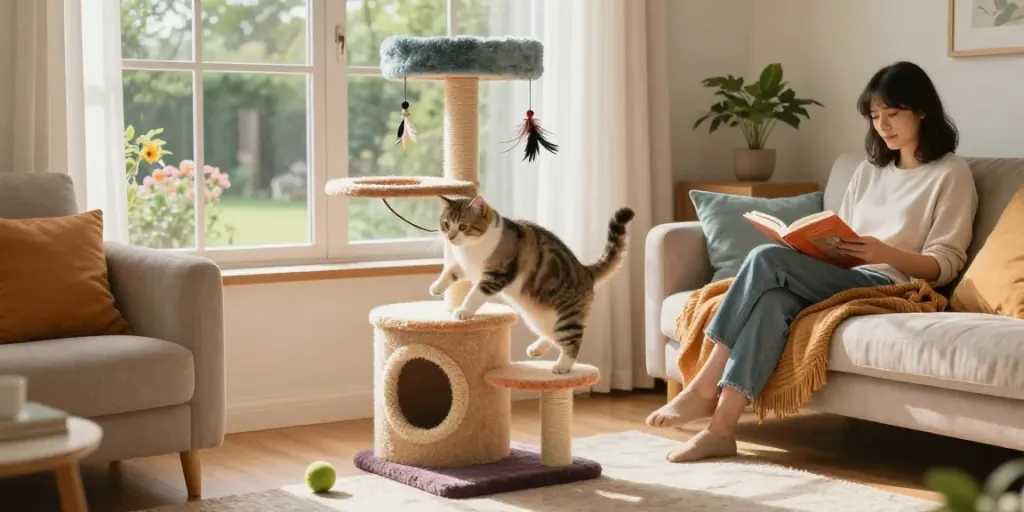
Understanding the Importance of Cat Trees
Cat trees are not just a luxury; they are essential for creating a stimulating environment for your feline companions. With the increasing recognition of the emotional and physical needs of cats, these structures have become integral to nurturing a happy and healthy pet. When exploring options, cat trees offer a variety of designs and functionalities that cater to the unique behaviours of cats, making them an indispensable addition to any cat owner's home.
Why Cat Trees are Essential for Feline Happiness?
Feline happiness is deeply intertwined with their environment. Cat trees provide vertical space that allows cats to climb, explore, and observe their surroundings from a safe height. This not only satisfies their instinctual desire to perch above ground but also reduces stress and anxiety, which can lead to behavioural problems. Moreover, a well-designed cat tree mimics the natural habitat of cats, offering them a place to play, hide, and rest.
Health Benefits of Cat Trees for Your Cat
Investing in a good cat tree can contribute to your pet's physical health. Cats are natural climbers and need an outlet for their energy. A cat tree encourages play and exercise, which can prevent obesity and related health issues such as diabetes and joint problems. Additionally, scratching posts integrated into cat trees help cats maintain their claws and promote good hygiene by preventing claw overgrowth.
How Cat Trees Support Natural Behaviours
Cat trees can support various natural behaviours, including scratching, climbing, and hiding. By providing dedicated spaces for these activities, owners can redirect their cats' instinctual urges away from furniture and personal items. Furthermore, multi-level designs create territories for each cat in a multi-cat household, reducing territorial disputes and enhancing peace at home.
Choosing the Right Cat Tree for Your Home
When it comes to selecting the best cat tree for your home, several factors come into play, such as your cat's size, age, and activity level, as well as the space available in your home. Understanding these elements can help ensure you find the optimal fit that meets both your needs and your cat's.
Factors to Consider When Buying Cat Trees
- Cat Size: Large breeds may require sturdier structures with wider platforms, while smaller breeds can utilize compact designs.
- Activity Level: High-energy cats benefit from larger trees with multiple levels, while older cats might prefer lower, more accessible options.
- Space Availability: Consider the dimensions of your living area; a vertical cat tree can save floor space while still providing ample play area.
Best Materials for Durable Cat Trees
Durability is paramount when selecting cat trees, as they must withstand the weight and activities of your cat. High-quality materials include solid wood, which provides stability, and sisal rope for scratching posts, as it mimics natural tree bark. Avoid flimsy particle board that can collapse under pressure and instead opt for sturdy, well-constructed models that will last for years.
Size and Space: How to Select the Perfect Fit
The size of the cat tree should be proportionate to the size of your cat and the space in your home. A large tree can overwhelm a small room, while a tiny tree may not satisfy a larger cat's climbing needs. Measure your available space before shopping and consider vertical designs that maximise playability without consuming too much floor area.
Top Features of Modern Cat Trees
Modern cat trees are designed with both functionality and aesthetics in mind. They now come equipped with features that enhance your cat’s experience while also fitting seamlessly into your home decor.
Understanding the Different Types of Cat Trees
- Multi-Level Trees: These provide various platforms for climbing and resting.
- Condos: Enclosed spaces that offer privacy and security for shy cats.
- Wall-mounted Trees: Space-saving installations that use vertical space for climbing.
- Activity Towers: Equipped with toys and scratching posts, these offer interactive playtime.
Innovative Designs to Meet Your Cat's Needs
Designs have evolved significantly, with many modern cat trees incorporating elements such as ramps, tunnels, and removable cushions for added comfort. Innovative features like integrated toys or adjustable platforms keep cats engaged and provide mental stimulation.
Safety Features in Cat Trees: What to Look For
Safety should be your top priority when selecting a cat tree. Look for trees with a sturdy base to prevent tipping and platforms that are adequately secured. Also, ensure that any fabric used is non-toxic and that all surfaces are smooth to avoid injuries.
Maintaining and Caring for Your Cat Tree
Regular maintenance is essential to prolong the lifespan of your cat tree and ensure that it remains a safe, enjoyable space for your cat. Implementing best cleaning practices and timely repairs can significantly enhance its longevity.
Best Practices for Cleaning Cat Trees
To keep your cat tree hygienic, vacuum it regularly to remove fur and debris. Use a mild detergent mixed with water for spot cleaning, and ensure all elements are completely dry before letting your cat resume use. Periodically inspect for wear and tear, and replace any damaged parts immediately.
How to Repair Common Cat Tree Issues
Common issues include loose screws, worn-out scratching posts, or torn fabric. For minor repairs, tighten any screws and replace scratching posts with sisal rope. If fabric components are damaged, many models allow for replacement of cushions or covers, which can refresh the entire look of the tree.
When to Replace Your Cat Tree: Signs to Watch For
Knowing when to replace your cat tree is crucial. Signs include structural instability, excessive scratches that expose the underlying material, or severe stains that cannot be cleaned. If your cat seems disinterested in their tree or avoids it, it may be time for an upgrade.
Future Trends in Cat Trees for 2026 and Beyond
The future of cat trees is evolving, with new trends focusing on enhancing functionality, aesthetics, and sustainability. As pet owners become more conscious of their environmental impact, the design and materials used in cat trees are likely to change significantly.
Smart Cat Trees: Integrating Technology into Pet Care
Emerging technologies are being incorporated into cat trees, such as integrated toys that respond to cat movements or apps that track activity. This allows owners to monitor their pets’ playtime and health, providing insights into their physical activity.
Sustainable Materials: Eco-Friendly Cat Trees
With an increasing emphasis on sustainability, many manufacturers are exploring eco-friendly materials such as bamboo or recycled plastics. This not only benefits the environment but also ensures that products are safe for pets.
The Rise of Customizable Cat Furniture Solutions
As pet owners desire more personalised options, the trend towards customizable cat trees is on the rise. Modular designs allow cat owners to adapt and expand their pet's furniture based on changing needs or preferences.
What is the best brand of cat tree?
The best brand often depends on individual needs and preferences; however, brands that focus on quality, safety, and innovative design typically receive the highest praise from consumers. Checking reviews can provide insights into the durability and functionality of different models.
Are cat trees good for cats?
Absolutely! Cat trees offer a safe environment for exercise, play, and rest, catering to the natural instincts of cats which is vital for their mental and physical well-being.
How do I train my cat to use a cat tree?
To train your cat to use a cat tree, encourage exploration by placing treats or toys at varying heights. Patience is key; allow your cat to approach and investigate at their own pace.
What can I use instead of a cat tree?
If a cat tree is not feasible, consider alternatives like shelves for climbing, cardboard boxes for hiding, or DIY scratching posts. These can provide similar benefits at a lower cost or for limited space.
How often should I clean my cat tree?
It is advisable to clean your cat tree at least once a month, or more frequently if you have multiple cats. Regular hygiene will help prevent odours and maintain a healthy environment.